Most people think about hair care in terms of strands such as shine, softness, styling, or volume. But the real story of healthy looking hair begins somewhere deeper, at the scalp.
Your scalp is not simply skin that happens to grow hair. It functions more like a living ecosystem where follicles, natural oils, microorganisms, and skin cells interact to maintain balance. When this environment is healthy, hair tends to appear stronger, fuller, and more resilient. When the environment becomes disrupted, hair and scalp concerns may begin to appear.
A helpful way to understand this is to think of the scalp like a rainforest.
The Rainforest Beneath Your Hair
Rainforests are among the most complex ecosystems on earth. They rely on delicate relationships between plants, microorganisms, nutrients, and environmental conditions to remain balanced.
Your scalp functions in a similar way.
Instead of trees and plants, the scalp contains thousands of hair follicles. These follicles produce hair fibers and rely on a stable environment to function properly. Supporting them are oil glands, skin cells, and a diverse microbiome composed of bacteria and fungi that naturally live on the scalp.
When everything remains balanced, the system works smoothly.
When something disrupts the environment, such as buildup, excess oil, dryness, or irritation, the ecosystem can shift out of balance.
The Scalp Microbiome
Just like soil in a rainforest contains beneficial microorganisms, the scalp has its own microbiome. This community of microscopic organisms plays an important role in maintaining scalp health.
A balanced microbiome helps regulate oil production, protect the skin barrier, and support the overall scalp environment.
However, when the balance of microorganisms changes, it may lead to common scalp concerns such as:
• dandruff
• irritation
• excess oil production
• dryness
• flakes
Maintaining a clean and balanced scalp environment helps keep this microbial ecosystem functioning properly.
Natural Oils and the Protective Barrier
Sebum, the scalp’s natural oil, is another important part of the ecosystem. Produced by sebaceous glands connected to each follicle, sebum helps protect hair fibers and maintain scalp hydration.
In a balanced scalp environment, oil production remains stable.
Too little oil can lead to dryness and irritation. Too much oil can combine with dead skin cells and product residue, which may contribute to buildup around follicles.
This buildup can affect the surrounding scalp environment and make hair appear flat or weighed down.
Follicles and the Hair Cycle
Hair follicles form the foundation of the scalp ecosystem. Each follicle produces a hair fiber through a repeating cycle that includes growth, rest, and shedding phases.
While many factors influence this cycle, the surrounding scalp environment plays an important role in supporting how follicles function.
When the scalp remains clean and balanced, follicles can continue their natural cycles more efficiently. Over time, this helps support the appearance of fuller, thicker looking hair.
When the Ecosystem Becomes Disrupted
Just like environmental stress can damage a rainforest, several everyday factors can disrupt the balance of the scalp ecosystem.
These include:
• product buildup from styling products
• infrequent cleansing
• environmental pollution
• stress and lifestyle changes
• harsh or overly drying hair care products
When buildup accumulates or the scalp becomes irritated, the environment surrounding hair follicles may become less balanced.
This is why maintaining a consistent scalp care routine is important.
Supporting a Healthy Scalp Environment
Taking care of the scalp does not need to be complicated. Small habits can help maintain balance over time.
A scalp focused routine often includes:
Regular cleansing to remove buildup and excess oil
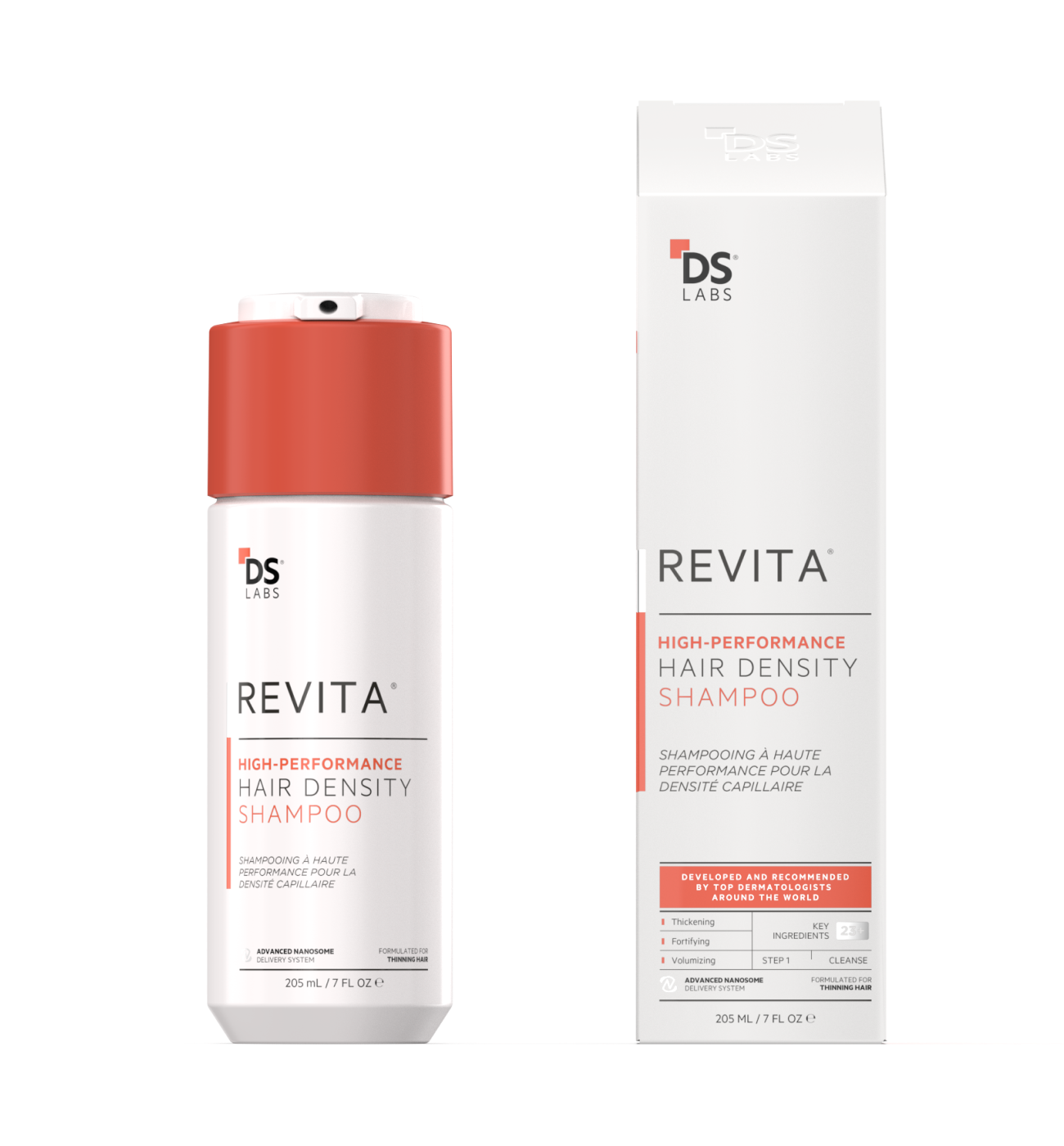
Using shampoos designed to support scalp vitality
Avoiding overly harsh products that disrupt the skin barrier
Maintaining consistency with daily or routine scalp care
Formulations designed with scalp health in mind often include ingredients that help support the appearance of hair density and overall hair quality.
The Takeaway
Healthy looking hair begins with a healthy scalp environment.
By thinking of the scalp as a living ecosystem that requires balance and maintenance, it becomes easier to understand why scalp health is closely tied to the appearance of fuller, stronger hair.
When the scalp environment is properly supported, the entire system beneath your hair can function the way it was designed to.