A fuller beard doesn't always develop evenly. Some areas may grow quickly while others remain thinner or take longer to fill in. This variation is common and can be influenced by genetics, age, the natural hair-growth cycle, and other factors.
Understanding how facial hair develops can help explain differences in beard coverage and the importance of consistent facial-hair care.
Factors That Influence Beard Density
Genetics are one of the primary factors that determine facial-hair density. They influence the number and distribution of hair follicles across the face, as well as characteristics such as hair thickness and growth patterns.
Age can also influence beard development. Facial hair may continue to become thicker and more established throughout the late teens and twenties, meaning beard coverage can change over time.
Lifestyle and overall health can also contribute to the condition and appearance of facial hair. Nutrition, stress, sleep, and grooming habits are all part of maintaining healthy-looking skin and hair.
The Facial Hair Growth Cycle
Facial hair doesn't grow at the same rate across every area of the face. Individual follicles move through their own growth cycles, which include three primary stages.
During the anagen phase, the hair actively grows. The catagen phase is a short transitional period, followed by the telogen phase, when the follicle rests before the hair eventually sheds.
Because individual follicles can be in different phases at the same time, certain areas of the beard may appear fuller while others look thinner or more uneven.
Supporting Fuller-Looking Facial Hair
A consistent grooming routine can help maintain the condition and appearance of both your facial hair and the skin underneath it. Regular cleansing, moisturizing, gentle grooming, and targeted facial-hair care can all be part of a well-rounded routine.
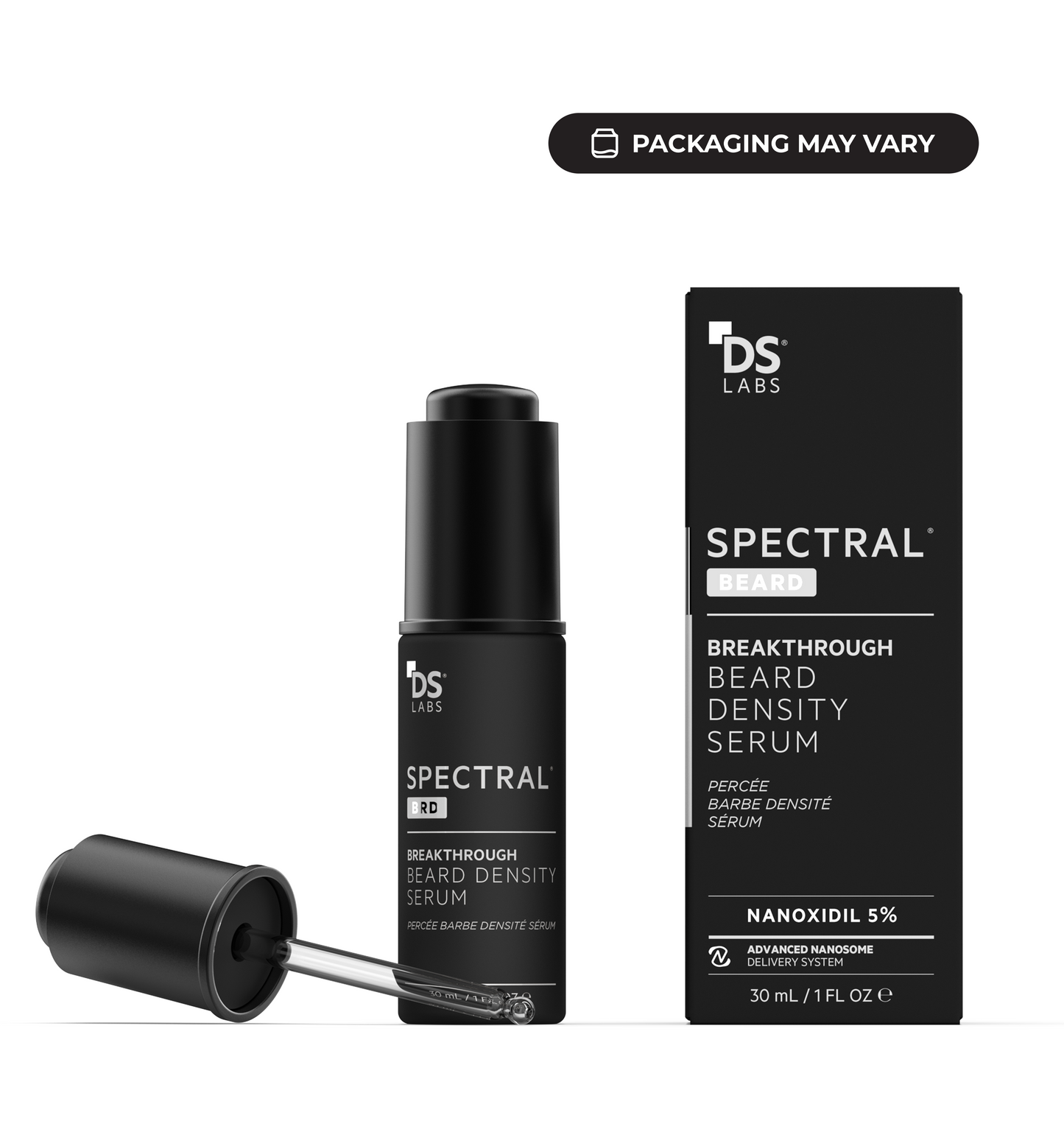
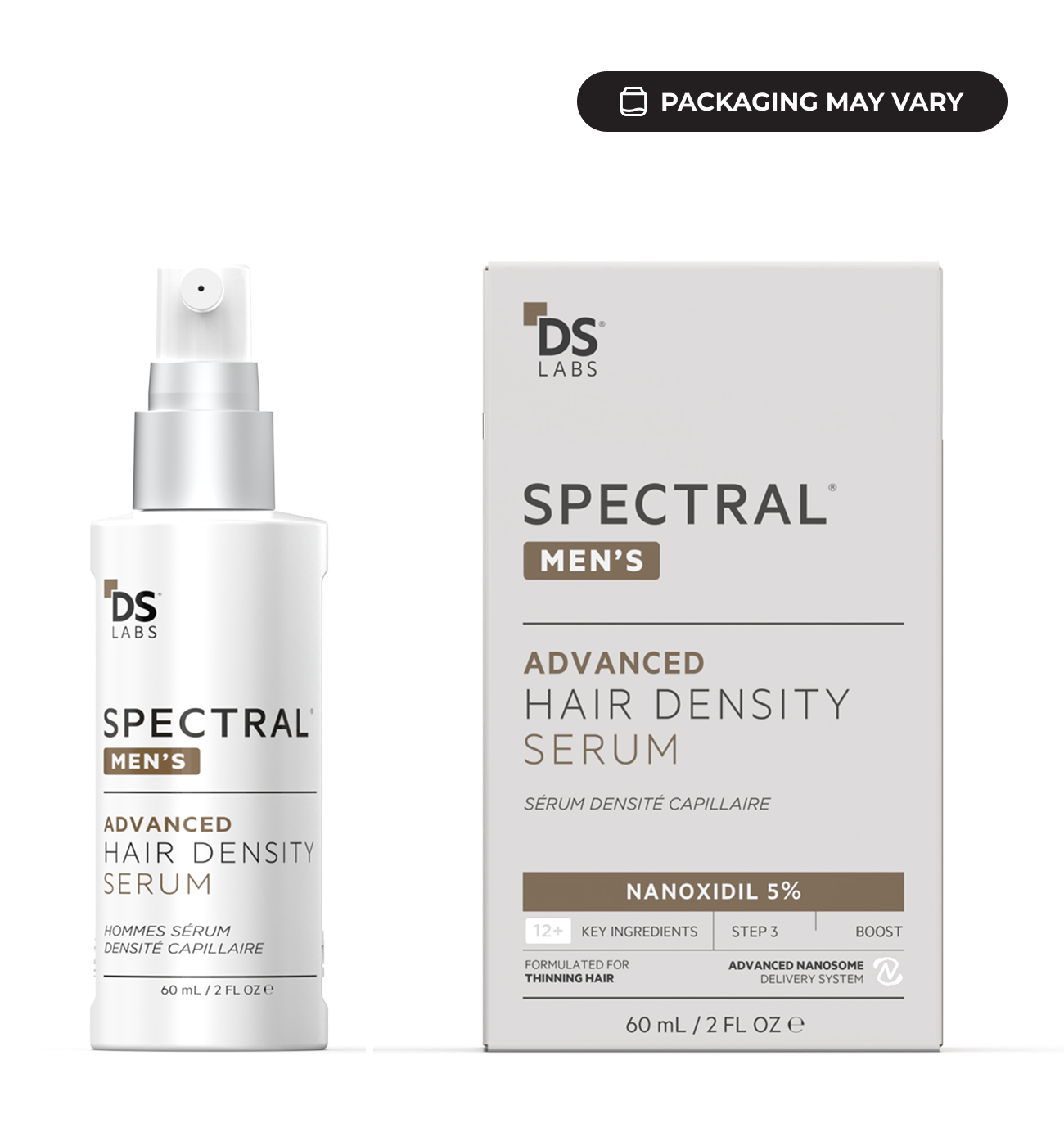
For those looking to support facial-hair growth and density, targeted serums formulated with clinically studied ingredients may help promote a thicker, fuller-looking beard and improve the appearance of uneven coverage. Consistency is key when incorporating targeted care into a facial-hair routine.
The Bottom Line
Beard density is influenced by genetics, age, and the natural growth cycle of facial hair. While everyone's growth pattern is different, consistent care and targeted support can help promote the appearance of a thicker, fuller, and more even-looking beard.